AC Cooling Issues, Repair Insights and Service Solutions in Dwarka Sector 19B, Delhi
Why Low-Density Areas Still Face Cooling Inefficiency
In Dwarka Sector 19B Delhi, many pockets have lower building density and partially occupied homes, which changes how indoor cooling behaves. Open surroundings allow heat and dust to circulate freely, while irregular usage patterns affect AC efficiency. Proper AC service helps maintain stable cooling performance even in such variable conditions.
AC Cooling Drops Without Any Visible Fault
A common situation is when the AC appears to function normally but fails to cool effectively. This is often due to internal airflow blockage, coil contamination or refrigerant imbalance rather than a clear technical failure. Accurate AC repair diagnosis ensures the issue is resolved at the root level.
How Open Surroundings Increase Dust Entry in AC Systems
Compared to densely packed areas, open surroundings allow more dust to enter indoor and outdoor AC units. This leads to faster clogging of filters and condenser coils, reducing cooling efficiency and increasing energy consumption. Deep cleaning is essential to restore performance.
Uneven Cooling Due to Irregular Room Usage
In homes where certain rooms are used more frequently than others, cooling distribution becomes uneven. Airflow imbalance and internal obstruction are common causes, which can be corrected through proper servicing and airflow adjustment.
Refrigerant Leakage vs Temporary Gas Refilling
Many users opt for quick AC gas refilling when cooling reduces, but without addressing leakage or pressure imbalance, the issue returns. Professional AC repair service includes leak detection and complete system balancing for long-term results.
Outdoor Unit Exposure and Heat Dissipation Challenges
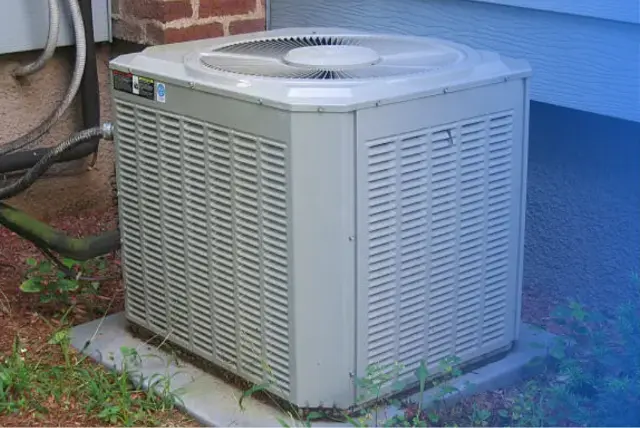
Outdoor units placed in open areas without shade are exposed to direct sunlight, reducing their ability to release heat efficiently. Cleaning and proper positioning improve cooling performance.
Water Leakage from AC Units and Drain Line Blockage
Dust accumulation and algae formation inside drain pipes restrict water flow, leading to leakage inside rooms. Complete drain cleaning prevents repeat issues and ensures smooth functioning.
Effect of Electrical Fluctuation on Cooling Performance
Voltage variation in less densely occupied areas can still affect AC operation, causing delayed startup, tripping or inconsistent cooling. Electrical inspection ensures stable performance.
Improper Installation and Its Impact on Efficiency
AC units installed without proper alignment or airflow consideration often fail to deliver optimal cooling. Correct installation ensures balanced airflow and better energy efficiency.
Compressor Efficiency and Continuous Load Conditions
The compressor is the core component responsible for cooling. Continuous usage without maintenance increases load and reduces efficiency. Regular AC servicing helps maintain performance and avoid major repairs.
Noise and Vibration Indicating Internal Imbalance
Unusual noise or vibration during operation is often an early sign of internal issues such as loose components or imbalance. Early AC repair prevents further damage.
Temperature Inaccuracy and Sensor Performance
If the cooling does not match the set temperature, it may be due to sensor malfunction or airflow issues. Calibration ensures accurate and consistent cooling.
AC Relocation and Performance Preservation
Proper AC uninstallation and reinstallation are important to maintain cooling efficiency. Incorrect handling can lead to gas leakage and reduced performance.
Airflow Optimization for Better Cooling Comfort
Effective cooling depends on proper air circulation within the room. Adjusting airflow direction and removing obstructions improves comfort levels significantly.
Scheduled AC Maintenance for Long-Term Efficiency
Regular AC service based on usage pattern, dust exposure and environmental conditions ensures efficient cooling, lower electricity consumption and longer equipment life.