AC Cooling Issues, Repair Needs and Service Insights in Freedom Fighter Enclave, Delhi
Why High Occupancy and Compact Layouts Increase Cooling Load
In Freedom Fighter Enclave Delhi, most buildings are compact builder floors with high occupancy and closely spaced structures. Limited ventilation and continuous usage increase indoor heat, making AC units work harder to maintain cooling. Regular AC service helps manage this load and ensures stable performance.
AC Not Cooling Properly in Enclosed Living Spaces
Many residents face situations where the AC runs normally but cooling feels insufficient. This is often due to restricted airflow, dirty coils or refrigerant imbalance rather than a major system failure. Professional AC repair ensures accurate diagnosis and long-term solutions.
Airflow Restrictions Caused by Tight Room Layouts
Small rooms with limited airflow pathways reduce the spread of cool air, creating uneven temperature zones. Cleaning blower systems and adjusting airflow direction improves overall cooling distribution.
Heat Accumulation in Multi-Floor Buildings
Buildings with multiple floors and limited open space tend to trap heat, especially during summer. This heat retention increases AC load and reduces cooling efficiency over time.
Refrigerant Leakage and Cooling Instability
Cooling problems are often misdiagnosed as low gas, while the actual cause is refrigerant leakage or pressure imbalance. Proper AC repair service includes leak detection and system balancing for long-term results.
Outdoor Unit Placement in Narrow Lanes
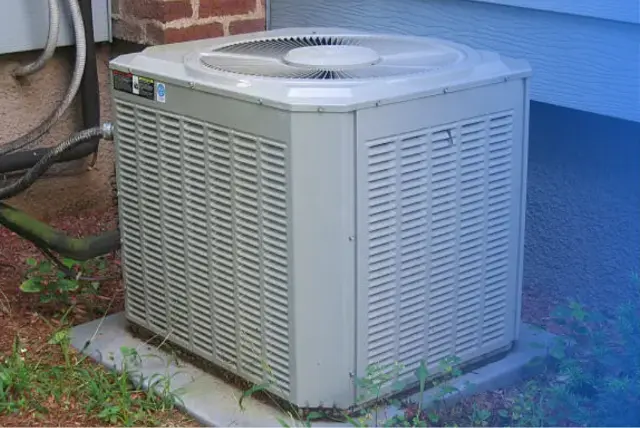
Outdoor units installed in tight spaces or close to walls face restricted airflow, reducing their ability to release heat. Cleaning and proper spacing improve AC performance.
Drain Line Blockage Leading to Water Leakage
Dust, moisture and debris can clog drain pipes, causing water leakage inside rooms. Complete cleaning ensures smooth drainage and prevents repeat issues.
Electrical Load and Voltage Fluctuation Issues
High electricity usage in densely populated areas can lead to voltage instability, affecting AC performance. Problems like tripping or delayed startup are often linked to electrical fluctuation.
Improper Installation Reducing Cooling Efficiency
Incorrect AC installation, including poor positioning or alignment, reduces airflow efficiency and increases energy consumption. Proper setup ensures optimal cooling performance.
Compressor Stress in Continuous Usage Conditions
The compressor operates under constant load in high-usage environments, and lack of maintenance reduces its efficiency over time. Regular AC servicing helps maintain system stability.
Noise and Vibration as Signs of Internal Issues
Unusual sound or vibration during AC operation often indicates loose components or internal imbalance. Early AC repair prevents further damage.
Temperature Mismatch and Sensor Calibration
If the AC does not maintain the desired temperature, it may be due to sensor malfunction or airflow imbalance. Calibration improves cooling accuracy.
AC Relocation and Reinstallation Without Efficiency Loss
Proper AC shifting ensures that cooling efficiency remains intact after relocation. Incorrect handling can lead to gas leakage and reduced performance.
Indoor Air Quality and Filter Maintenance
Clean filters improve airflow and indoor air quality, making the environment healthier and more comfortable.
Regular Maintenance for Long-Term Cooling Performance
Scheduled AC service based on usage pattern and environmental conditions ensures efficient cooling, reduces electricity consumption and increases system lifespan.