AC Cooling Issues, Repair Insights and Service Factors in Jahangir Puri, Delhi
How Dense Housing and Heat Trapping Increase Cooling Demand
In Jahangir Puri Delhi, dense housing clusters and tightly packed blocks often trap heat between structures, raising indoor temperatures and increasing the workload on air conditioners. Under such conditions, regular AC service becomes important for maintaining stable cooling performance and preventing efficiency loss.
Why AC Not Cooling Complaints Often Start with Airflow and Coil Issues
Many cooling problems begin with clogged filters, dirty evaporator coils or weak blower airflow rather than major component failure. Professional AC repair helps identify these hidden performance issues before they turn into larger breakdowns.
Industrial Dust Exposure and Reduced Cooling Efficiency
Dust from surrounding activity can settle quickly on filters and condensers, reducing heat exchange efficiency and restricting airflow. Preventive cleaning helps support stronger cooling output.
Uneven Cooling in Compact Multi-Room Layouts
Small homes often experience temperature variation where front rooms cool faster than inner spaces. Air balancing and blower servicing improve cooling distribution.
Refrigerant Leakage and Pressure Imbalance Concerns
Weak cooling is often treated as low gas alone while refrigerant leakage or pressure imbalance may be the real cause. Proper AC repair includes leak detection and complete diagnostics.
Outdoor Unit Congestion Affecting Condenser Performance
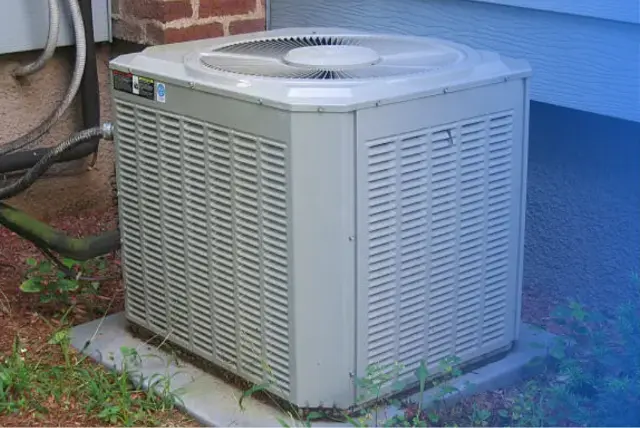
Condenser units installed in narrow balconies or tight utility spaces may face airflow restriction that reduces heat dissipation efficiency. Cleaning and ventilation checks improve performance.
Drain Blockage and Water Leakage Prevention
Dust particles and moisture can gradually obstruct drain systems and lead to recurring leakage issues. Routine cleaning helps reduce repeat faults.
Electrical Fluctuation and Cooling Stability Problems
Heavy neighborhood power demand can affect compressor response, startup behavior and cooling consistency. Electrical inspection supports reliable operation.
Installation Position Affecting Cooling Reach
Incorrect indoor unit placement can reduce airflow throw and create cooling dead zones. Proper installation planning improves system efficiency.
Compressor Stress During Long Summer Runtime
High heat exposure and prolonged operation increase compressor wear and may reduce efficiency over time. Routine AC servicing supports system reliability.
Minor Noise Changes as Early Repair Signals
Humming, rattling or vibration often indicate developing internal wear. Timely AC repair helps prevent major failures.
Sensor Drift and Inaccurate Temperature Response
If room comfort does not match thermostat settings, airflow imbalance or sensor calibration may be affecting performance. Calibration improves accuracy.
AC Relocation During Home Modifications
Layout changes or property improvements may require shifting AC units. Proper reinstallation helps preserve original cooling efficiency.
Filter Maintenance and Indoor Air Quality Support
Routine filter cleaning improves airflow, cooling output and indoor air quality, especially in dust-prone environments.
Preventive Maintenance for Reliable Long-Term Cooling
Planned AC service based on environmental exposure and usage patterns helps improve cooling efficiency, reduce electricity use and extend equipment lifespan.